Theme Park Light Show Production: From Concept to Opening Night
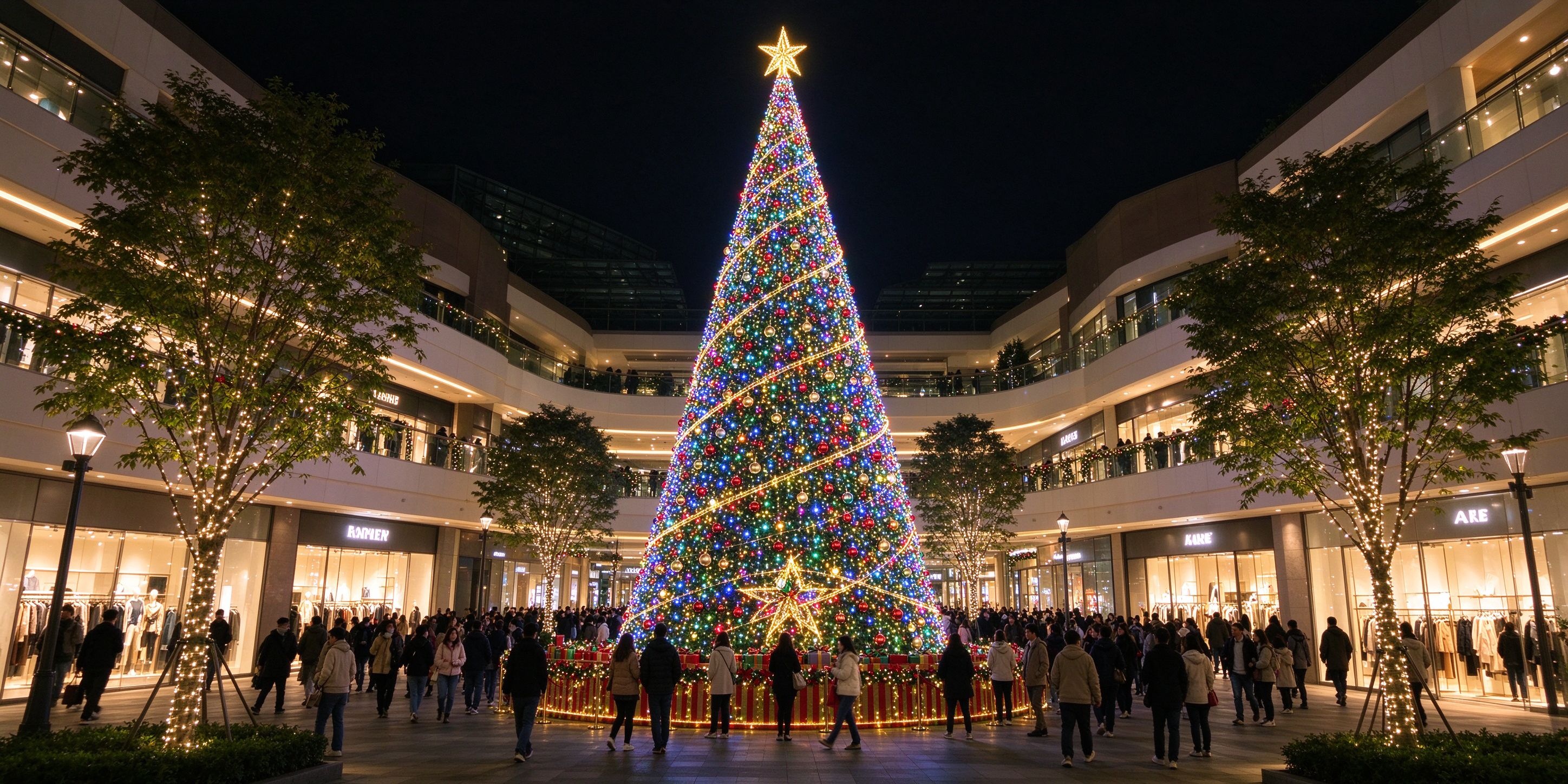
A theme park light show is not a decoration project; it is a theatrical production with a venue, a cast of thousands of lights, and an audience that paid to be amazed. Parks that treat it as a "bunch of lanterns" get a bunch of lanterns. Parks that treat it as a show get a seasonal revenue engine that extends operating hours, lifts evening attendance and turns repeat visitors into annual pass holders. This article walks through the full production pipeline — concept, creative design, engineering, fabrication, programming, installation and opening night — so park operators and event directors know exactly what to expect, what to budget and what to ask for.
Phase One: Concept and Commercial Briefing
Every light show begins with a commercial brief, not a mood board. Answer four questions before any creative work: What is the show's objective — incremental evening tickets, passholder retention, sponsorship revenue, or all three? What is the target audience — families, thrill-seekers, corporate groups? When does it run — a winter season, a summer night program, or a spring lantern festival overlay? And what is the payback period the park needs? The answers determine scale, and scale determines budget. As a rule of thumb, a quality park-wide light show program costs meaningfully less than a single new thrill ride, yet it can renew the same footprint every season — which is why so many parks are adding them.
Phase Two: Creative Design and Story
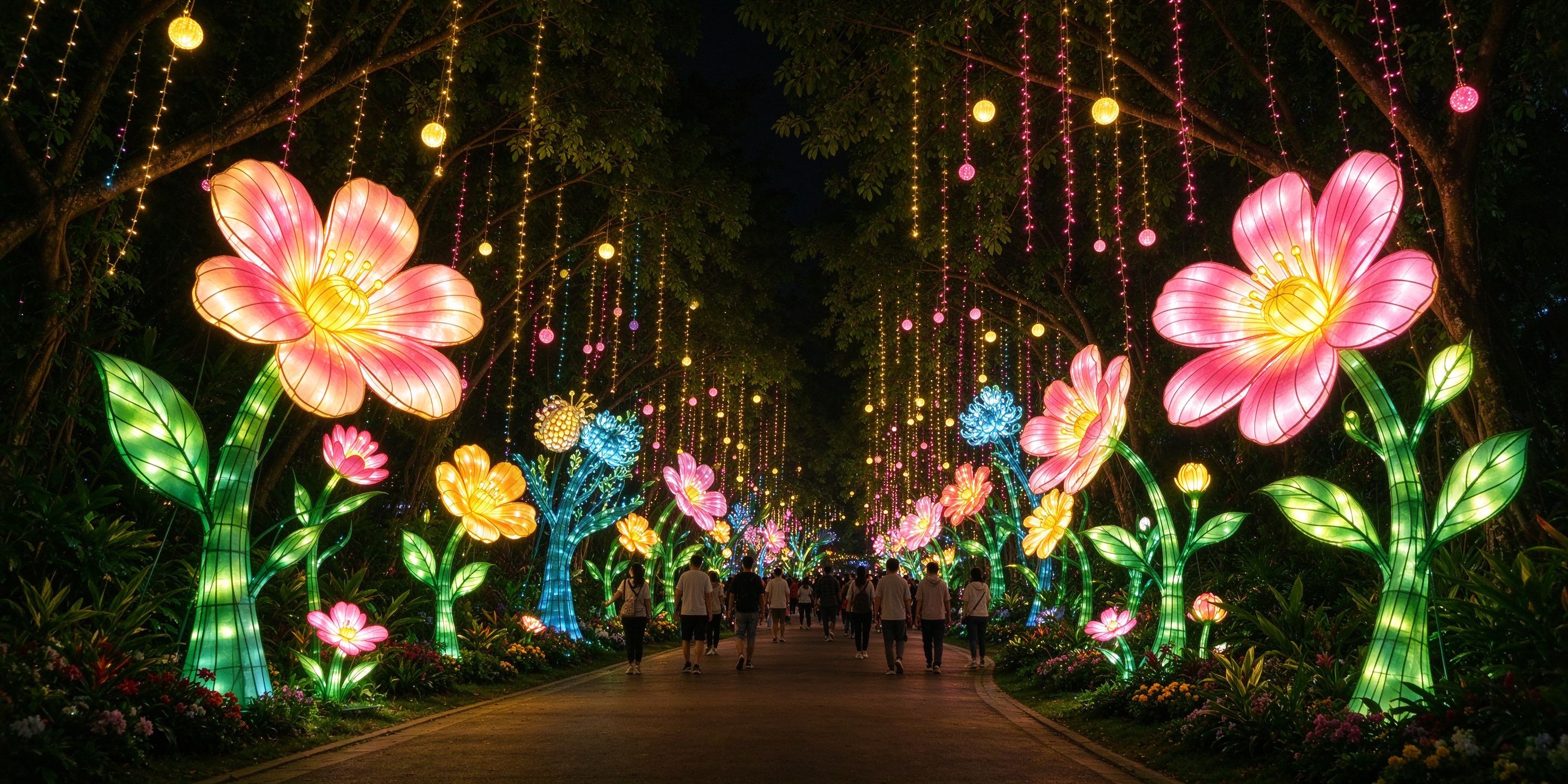
Great light shows tell a story the park's own IP can carry. The narrative does not need dialogue — it needs a spine: a journey, a transformation, a reveal. The classic structure works: an opening that draws guests in, a middle that builds through distinct zones, a climax that gathers the crowd, and a finale that creates the photo moment and the applause.
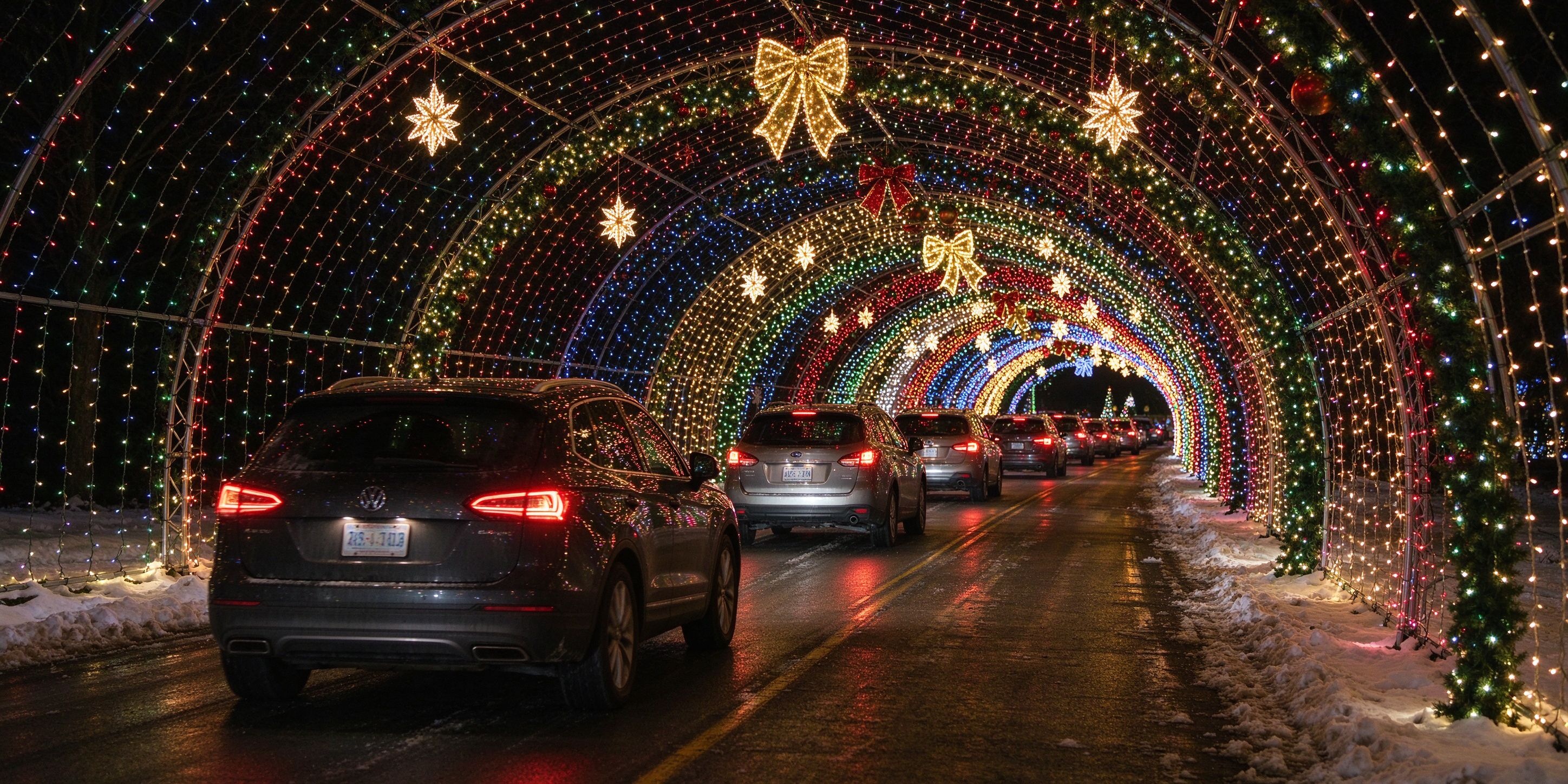
Creative design also means designing the guest's physical path. The show should choreograph where people stand, how long they linger and where they flow next. That means sequencing zones rather than scattering them: an entry archway that says "you are entering another world," a mid-park hero zone for the big reveal, and a closing element that pushes guests toward retail and food outlets. A light archway installation at the entrance and a LED light tunnel along the main path are the two most reliable tools for this pacing job — they are cheap relative to hero pieces and they shape movement all night.
Phase Three: Technical Design and Engineering
Once the creative is approved, the engineering begins — and this is where parks must be disciplined. Technical design covers structural engineering for every piece, electrical load and distribution planning, control system architecture, and safety integration with the park's existing operations. Three park-specific factors dominate:
- Guest-flow safety. Light shows run in the dark with thousands of moving people. Cable runs must be protected or buried, walkway lighting must exceed code minimums, and every installation must be reviewed against ride sightlines, evacuation routes and first-aid access.
- Integration with rides and shows. A light show must not clash with scheduled fireworks, parade routes or maintenance windows. The control system should allow zone-level scheduling so park operators can power sections independently.
- Weather and seasonality. If the show runs through winter, all the outdoor weather engineering applies — wind loading, snow load, IP-rated electronics — because a park cannot afford a mid-season failure in front of paying guests.
For the high-tech layer, projection mapping adds a second dimension to static lanterns: buildings and walls become screens. A projection mapping wall can transform a food-court facade into an animated castle or a dancing forest, creating the "wow" that social media amplifies. Pair projected content with LED sculpture — such as a spiral tower light sculpture — and the park gets depth, motion and scale at a fraction of a ride's cost.
Phase Four: Fabrication and Quality Control
With designs frozen, fabrication begins — in our case, in the workshops of Zigong, where each lantern is welded, skinned, painted and lit by hand. This is the phase where the 30–45 day lead time happens, and where buyers protect themselves with a production schedule, progress photos and a factory inspection or third-party QC milestone. Key QC checks: dimensional accuracy against the approved 3D design, LED uniformity and color temperature consistency across panels, IP ratings on every connector, and flame-retardant certification on fabrics. If a supplier cannot produce these records, the risk transfers to you on opening night.
Phase Five: Installation, Programming and Rehearsal
Installation is where good planning saves weeks. Pre-assembled sections, color-coded cable looms and a detailed site plan turn a 30-day install into a 10-day one. A professional crew installs foundations and anchors first, then structure, then skins, then lighting — and tests each zone as it goes rather than debugging everything at the end.
Programming is a craft of its own. The light show's cues — chases, fades, music sync — should be programmed in a digital twin of the park (or on a mock-up of the hero piece) before the physical show is complete. Rehearsals run the full show nightly for at least three nights before opening: one night for technical debugging, one for timing and pacing, and one for operations — training park staff on power-up sequences, wind protocols and daily inspection checklists.
Phase Six: Opening Night and Beyond
Opening night is the test of everything. Run a soft opening with staff and media first, capture drone footage for marketing the moment the show is complete, and schedule a preview event for passholders so the opening weekend is carried by word of mouth. Then shift to operations mode: daily inspections, weekly deep checks, and a data loop that tracks attendance, dwell time and retail conversion against the commercial brief from Phase One. The best light shows are revised every season — zones that underperform get re-themed, and the hero element is refreshed so the park always has a "new this year" hook.
Conclusion
Producing a theme park light show is a project, not a purchase. Run it through the six phases — commercial brief, creative design, technical engineering, fabrication, programming and rehearsal, and opening operations — and you get a reliable, repeatable seasonal asset. Skip the phases and you get a gamble. With the right manufacturer acting as a single accountable partner from concept render to opening night, a theme park light show is one of the highest-return investments in the attractions industry.
Start Your Light Show Production
Share your park layout, season dates and commercial goals. Our production team will respond within 48 hours with a concept approach, indicative budget and timeline.
Get a Free Quote☎ +86 13990006666 | ✉ 1712646264@qq.com