How does a mid-sized zoo with a quiet winter turn its coldest months into its busiest? This case study follows a real-world pattern we have helped dozens of venues replicate: a 12-week zoo light festival that doubled winter attendance, covered its full investment in the first season and built a multi-year asset. Names and exact figures are adjusted for confidentiality, but the structure, decisions and metrics reflect the playbook that consistently works.
The Starting Point
The zoo in question — call it Riverside Wildlife Park — sits in a temperate climate with a strong summer season and a steep winter drop. Baseline winter attendance (November to February) was roughly 18,000 visitors across four months, against 140,000 in the summer peak. The park operated five days a week in winter, carried fixed staffing and animal-care costs regardless of visitors, and had a board that viewed winter as a cost to be minimised. Management set one clear goal: turn winter from a loss-making season into a profitable one, without compromising animal welfare or the park's conservation mission.
The Decision: A Zoo Lantern Festival
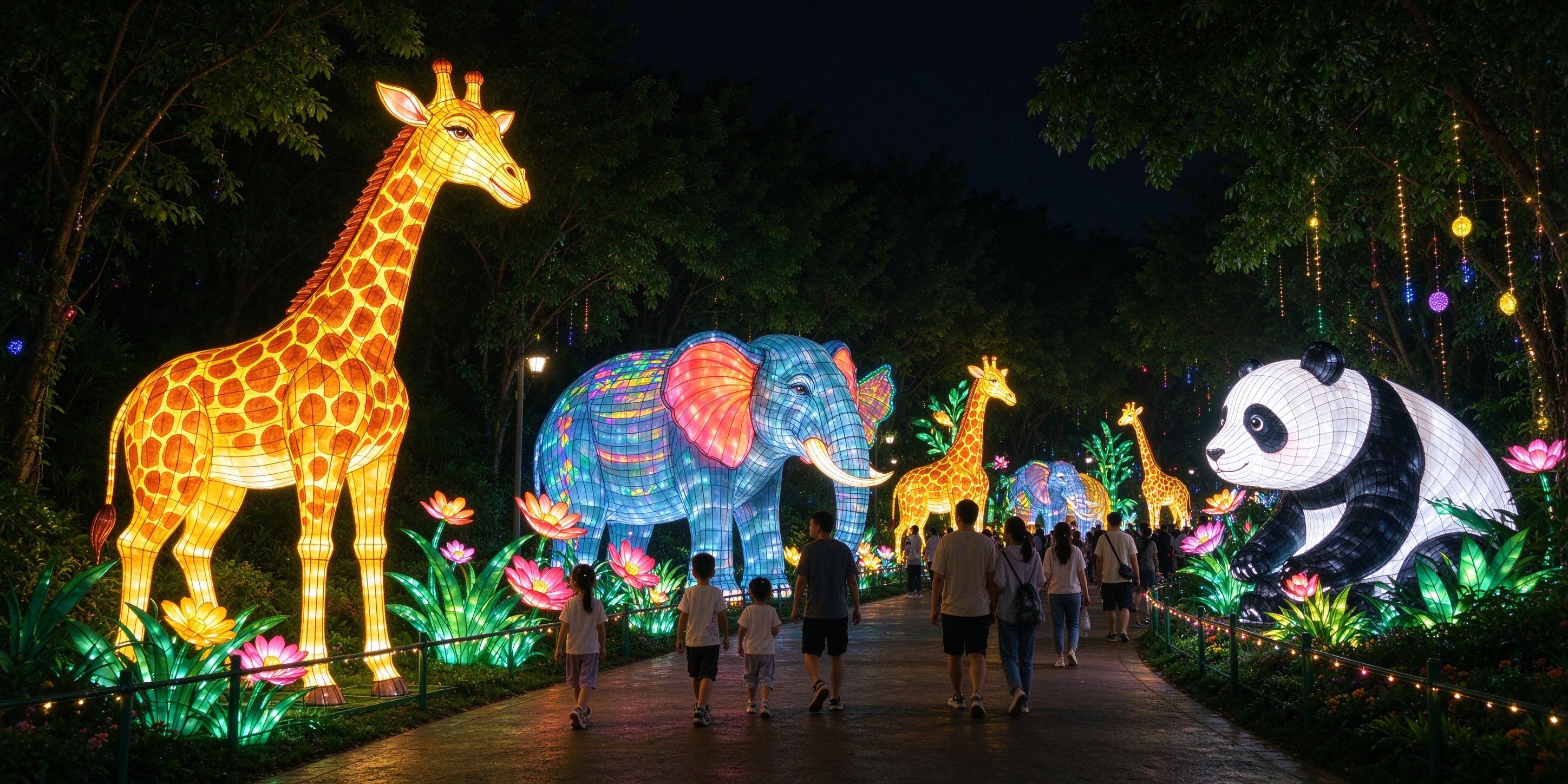
Riverside evaluated three options: extended daytime winter opening (no new revenue driver), a small holiday market (limited capacity and margin), and a ticketed zoo lights trail. The trail won because it monetised the park's greatest asset — the grounds themselves — at a time when they were otherwise empty, and because lantern displays could be built around the zoo's own animal collection, reinforcing rather than diluting its identity. The park chose a themed "Wild Night Safari" route featuring bengal tiger lanterns, an African elephant lantern, a family of polar bear lanterns and supporting wildlife light sculptures placed along the existing walkways.
Investment and Budget
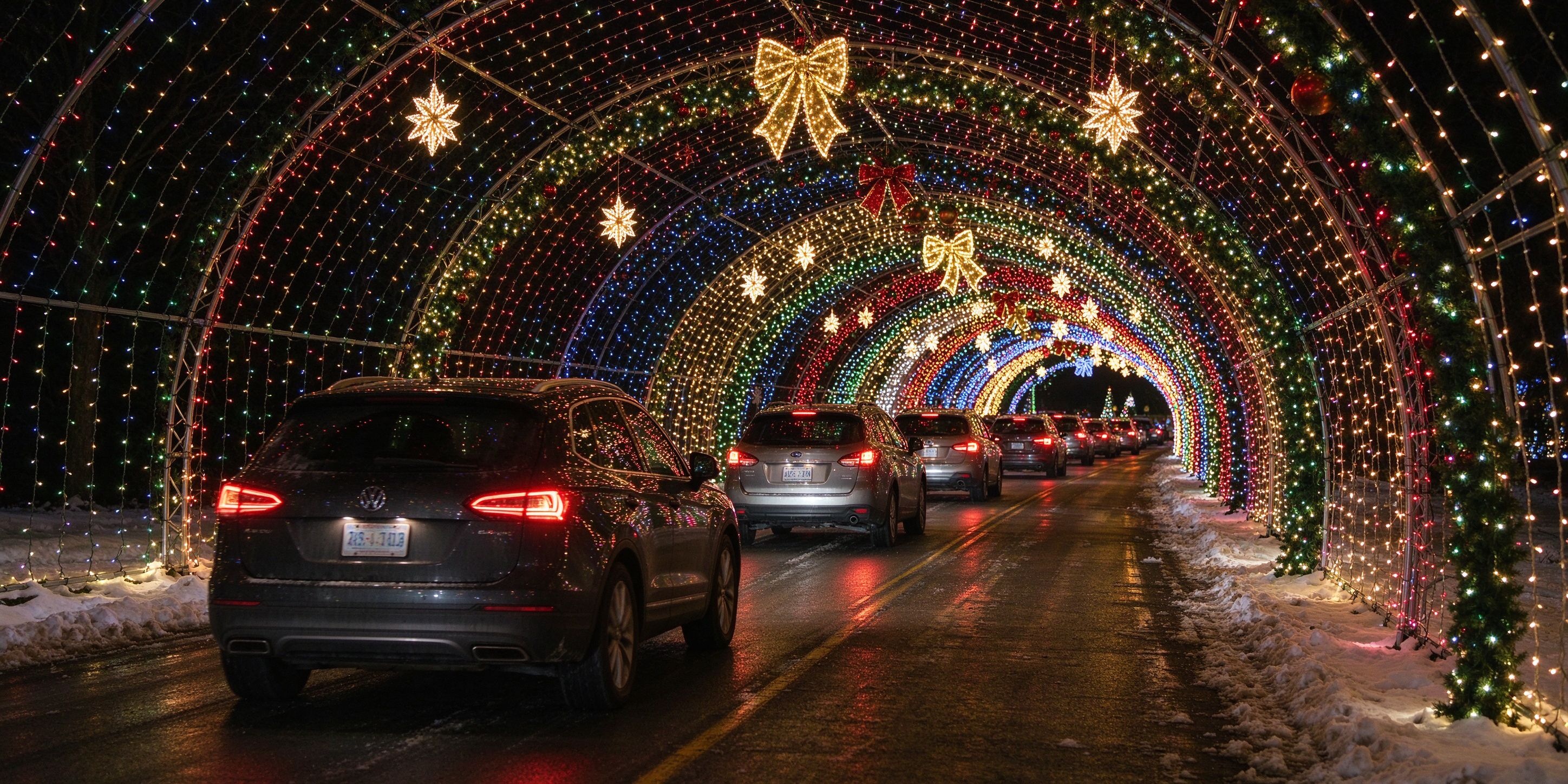
The first-year budget broke down as follows: lantern fabrication and shipping (the largest block), site power and cable distribution, installation and dismantling, marketing, insurance and compliance, and seasonal staffing. The display itself was a 1.8-kilometre route with four hero zones, two light tunnels, a finale cluster and roughly fifty supporting pieces. Total first-year cost landed at approximately 1.4 times the park's previous annual winter operating loss — a deliberate "spend to fix the season" position that the board accepted only because the asset could be reused for multiple years.
Pricing and Pre-Sales
Riverside launched with timed-entry tickets at a weekend premium over weekday pricing, a family bundle, and a season pass priced at roughly three single visits. Early-bird pre-sales opened eight weeks before launch and sold 32 percent of the season's capacity before opening night — funding working capital and de-risking the run. Group bookings for schools and corporate parties were sold from week one, with reserved zones on quiet nights. The park also negotiated a food-and-drink partnership that paid a commission on on-site sales, adding margin without operational risk.
Launch and Marketing
Marketing centred on visual content: drone footage of the illuminated route, close-ups of the animal lanterns and visitor selfies. The park ran a media preview two nights before the public opening, which generated local news coverage exactly when pre-sales needed momentum. Social reach was amplified by a photo competition at the selfie frame zone, and every ticket email carried a referral offer for next season. The new year light display window in December and a halloween light show preview weekend in October were used to extend the season's buzz before the main run.
The Results
Across the 12-week season, the zoo light festival delivered:
- Attendance: 42,000 paid visits — more than double the previous winter's total attendance, in a season that was previously near-empty.
- Revenue: ticket income plus ancillary spend (food, photos, merchandise) exceeded the entire first-year investment.
- Dwell time: average visit length rose to 71 minutes, against 25 minutes for daytime winter visits.
- Reach: the festival's tagged content generated more social impressions in 12 weeks than the park's previous two years combined.
- Second season: because the display was built for reuse, year two required only a 15 percent refresh of new pieces, converting nearly the whole display cost base into margin.
What Made It Work
- Mission fit: the route celebrated the zoo's own animals, keeping conservation messaging central and staff enthusiastic.
- Asset thinking: the equipment was specified for five seasons, turning a first-year investment into a multi-year revenue engine.
- Capacity discipline: timed entry protected the route and produced reliable yield data.
- Early revenue: pre-sales and group deals funded the season before opening.
- Operations: a nightly inspection checklist, clear weather thresholds and a named duty manager kept the run smooth.
Operational Notes From the Season
Operations were where the plan proved itself. The park ran a nightly pre-open sweep of cabling, anchoring and lighting continuity, logged every fault in a simple spreadsheet, and closed only twice for severe weather under a pre-agreed threshold. Timed entry held peak crowding below the route's safe capacity even on sold-out nights, and a duty manager with clear authority handled the handful of incidents without drama. Staff training, completed two weeks before opening, covered power isolation, fire response and evacuation — and it meant the team acted with confidence rather than improvisation. The lesson the park recorded for its own handbook: a zoo lantern festival is an operations business wearing a spectacular costume, and the nightly routine is what protects the magic.
Lessons for Other Zoos
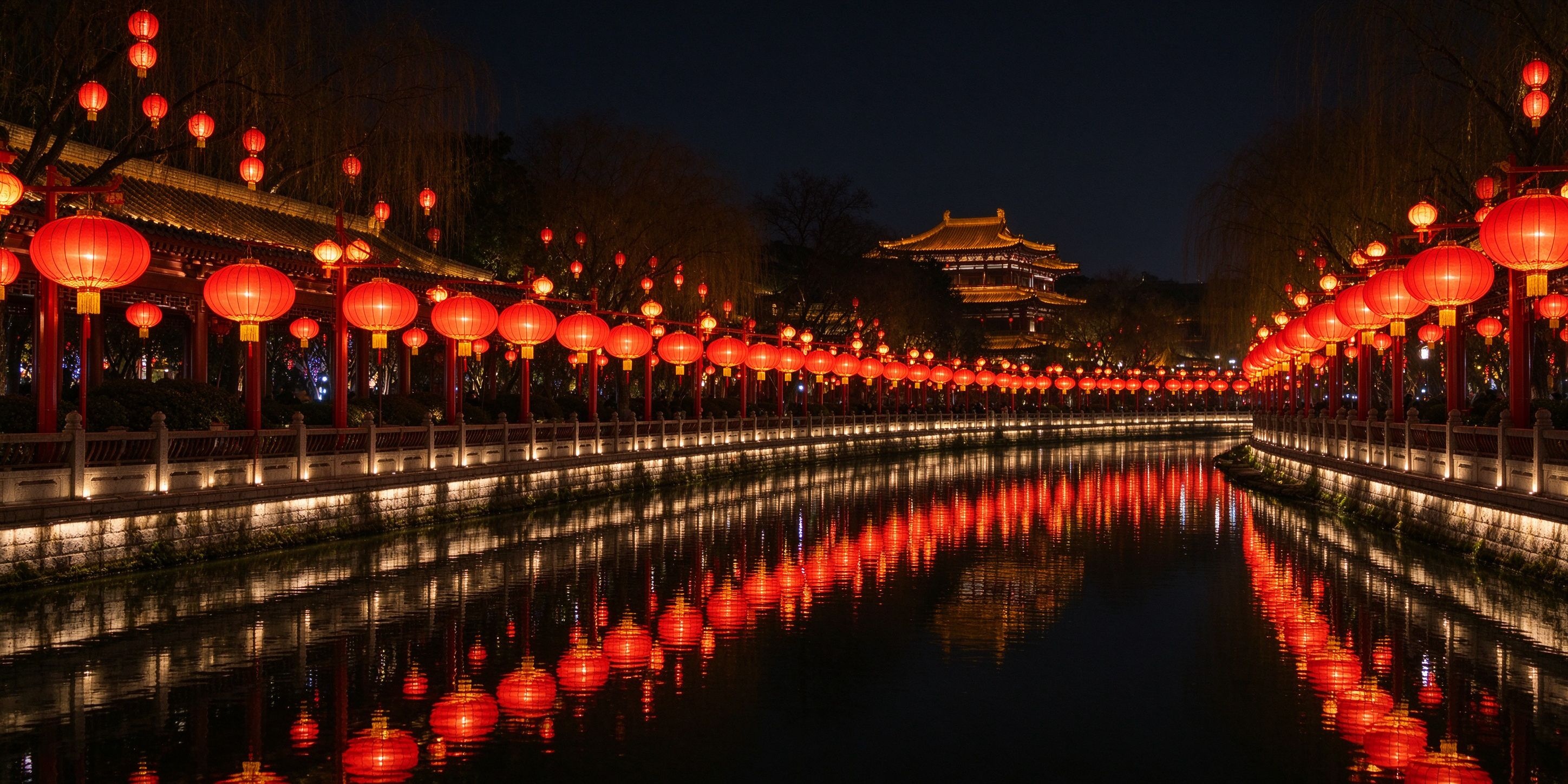
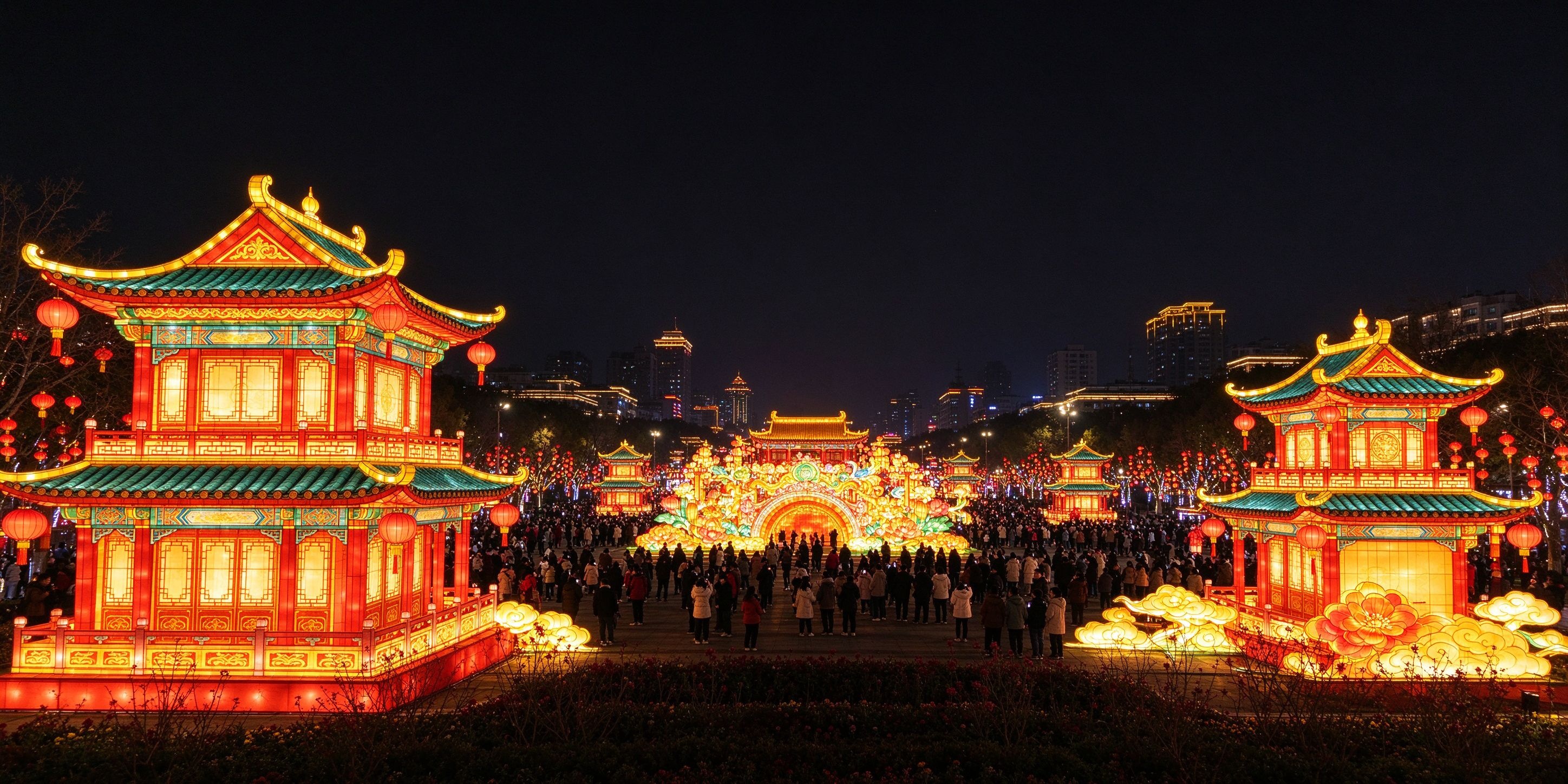
Three lessons transfer directly. First, choose a theme that honours the institution — a generic light show is a commodity; a "Wild Night Safari" is a brand extension. Second, buy for reuse: the venue that treats lanterns as a five-season asset gets fundamentally different economics from the venue that buys decorations. Third, price the experience, not the cost — a 70-minute immersive trail supports premium tickets, and families will pay for a memorable winter evening. Finally, plan the season calendar early: many venues now run a zoo lantern festival from a halloween light show through to chinese new year lights, using modular themes to fill every month of the dark season.
Conclusion
Riverside's winter went from its weakest season to its strongest in a single year because the zoo treated the light festival as a business, not a decoration: right-sized investment, disciplined pricing, early revenue, asset-grade equipment and mission-driven theming. Any mid-sized zoo with grounds, power and a committed operations team can follow the same path. The Lantern Festival team designs and supplies complete zoo light festivals — animal lanterns, tunnels, control systems and engineering documentation — and we welcome the opportunity to model your zoo's winter season with you.
Ready to start your project? Contact the Lantern Festival team at our contact page or call +86 13990006666 for a free consultation and quotation within 48 hours.