Botanical Garden Lights Event Guide: Creating an Immersive Night Experience
Botanical gardens have a problem most venues would envy: they are beautiful by day and invisible by night. The night light event is the answer — and it has become one of the fastest-growing segments in the attractions industry precisely because it converts a garden's greatest asset, its living landscape, into an evening destination without a single new building. But gardens are not theme parks. The plants are the product, and any light display must serve the horticulture as much as the audience. This guide explains how botanical garden lights events succeed: the horticultural constraints, the immersive design principles, the theming that sells tickets, and the operational model that turns a garden into a year-round venue.
Why Gardens Run Light Events: The Revenue Case
For most public gardens, admission revenue is a fraction of operating cost, and the gap widens in winter when the living collection rests. A night lights event changes the economics in three ways. First, it sells a premium ticket — evening events typically command two to three times daytime admission. Second, it extends the season: a well-run light event can operate for ten to sixteen weeks, filling the darkest months with revenue. Third, it creates a membership and sponsorship story — gardens attract corporate partners who want their brand associated with beauty and conservation rather than billboards. Across the events we have supplied, gardens that run a serious night program consistently report that the event becomes the institution's single largest self-generated revenue line within two seasons.
Horticultural Safety: The Non-Negotiable Layer
The first design rule for botanical garden lights is that the display must not damage the collection. Three hazards dominate:
- Heat. LEDs are cool-running, which is precisely why they made garden light events feasible. Specify low-wattage LED systems and verify surface temperatures where fabric or fixtures touch foliage — hot spots scorch leaves within hours.
- Photoperiod disruption. Plants respond to day length. Continuous high-intensity illumination can delay dormancy, disturb flowering cues and confuse pollinators. The professional solution is dark-sky-friendly design: keep light on paths and displays, use warm low-intensity tones, and schedule full "dark nights" through the week so the garden ecosystem keeps its rhythm.
- Physical impact. Cable runs must avoid root zones, fixtures must not be bolted into mature trees, and installation foot traffic must be confined to existing paths. A good supplier plans the cable routing with the garden's horticulture team and uses weighted bases instead of stakes wherever possible.
Any vendor that treats plants as background scenery should be disqualified. The right partner treats the horticulture team as a design stakeholder with veto power.
Design Principles: Immersion Through the Journey
Unlike a plaza festival, a garden event is a journey along paths, and the design must respect that grammar. Visitors move in one direction, in the dark, often with children, for forty to ninety minutes. The sequence of experiences — anticipation, wonder, delight, climax, calm — is the entire show.
Start with a threshold moment: an entrance archway or gate lantern that visibly separates the daytime world from the night world. Then build contrast, not consistency. A dark, quiet stretch makes the next glowing zone feel more magical; light should be rationed, not constant. Gardens excel at this because their natural structure — groves, lawns, ponds, hills — gives designers ready-made "rooms" to alternate between bright and shadowed spaces.
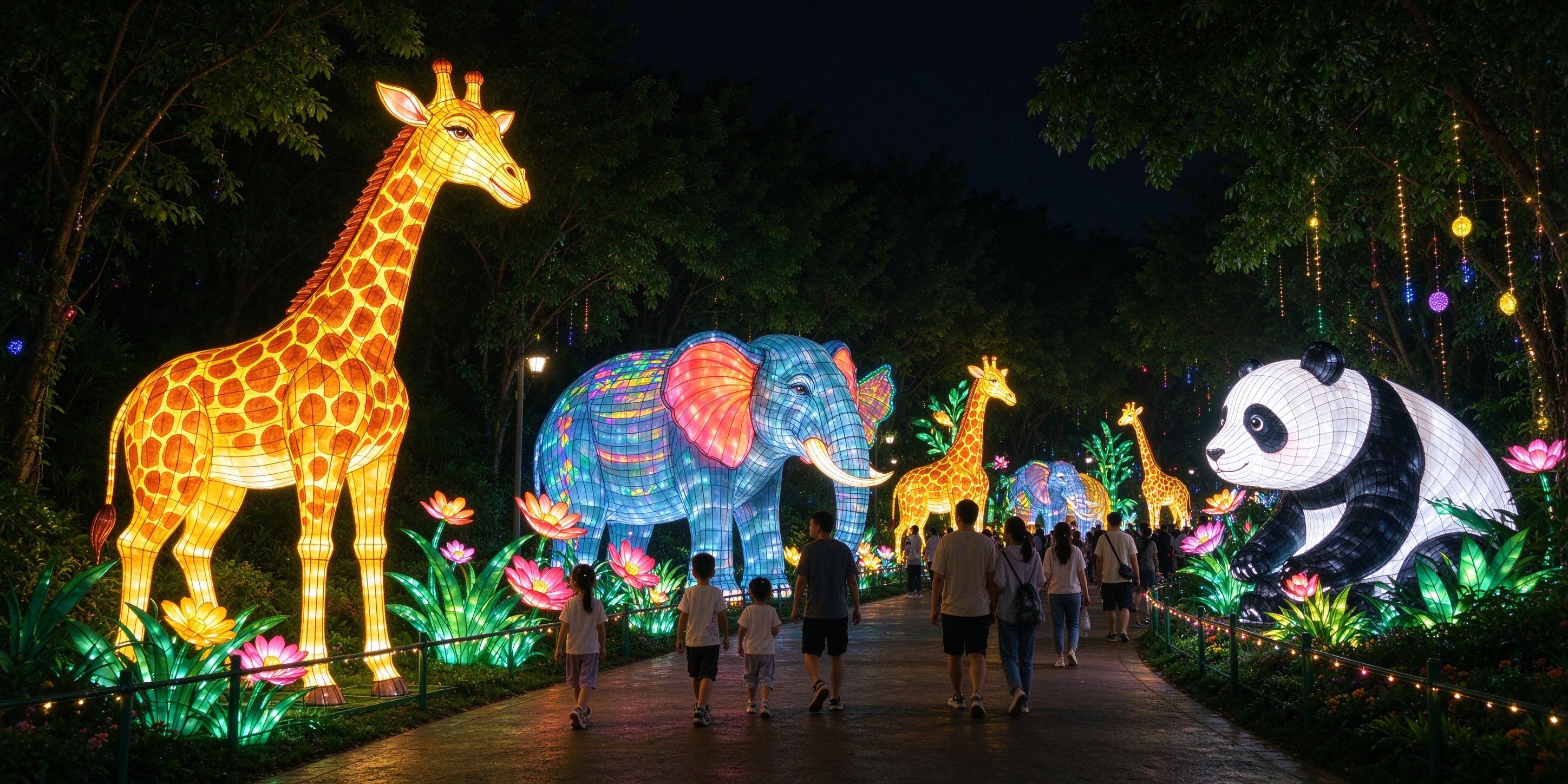
Flower lanterns are the natural vocabulary of a garden. A giant peony lantern floating over a pond, a cherry blossom lantern canopy along a walk, and a tulip garden lantern field at the base of a slope all echo the living collection while being unmistakably fantastical. This "echo and exaggerate" principle — mirroring real botany in oversized illuminated form — is what separates a memorable garden light show from a generic lantern display. Visitors should feel the garden is dreaming about itself, not that a carnival landed on it.
Theming and the Festival-of-Lights Model
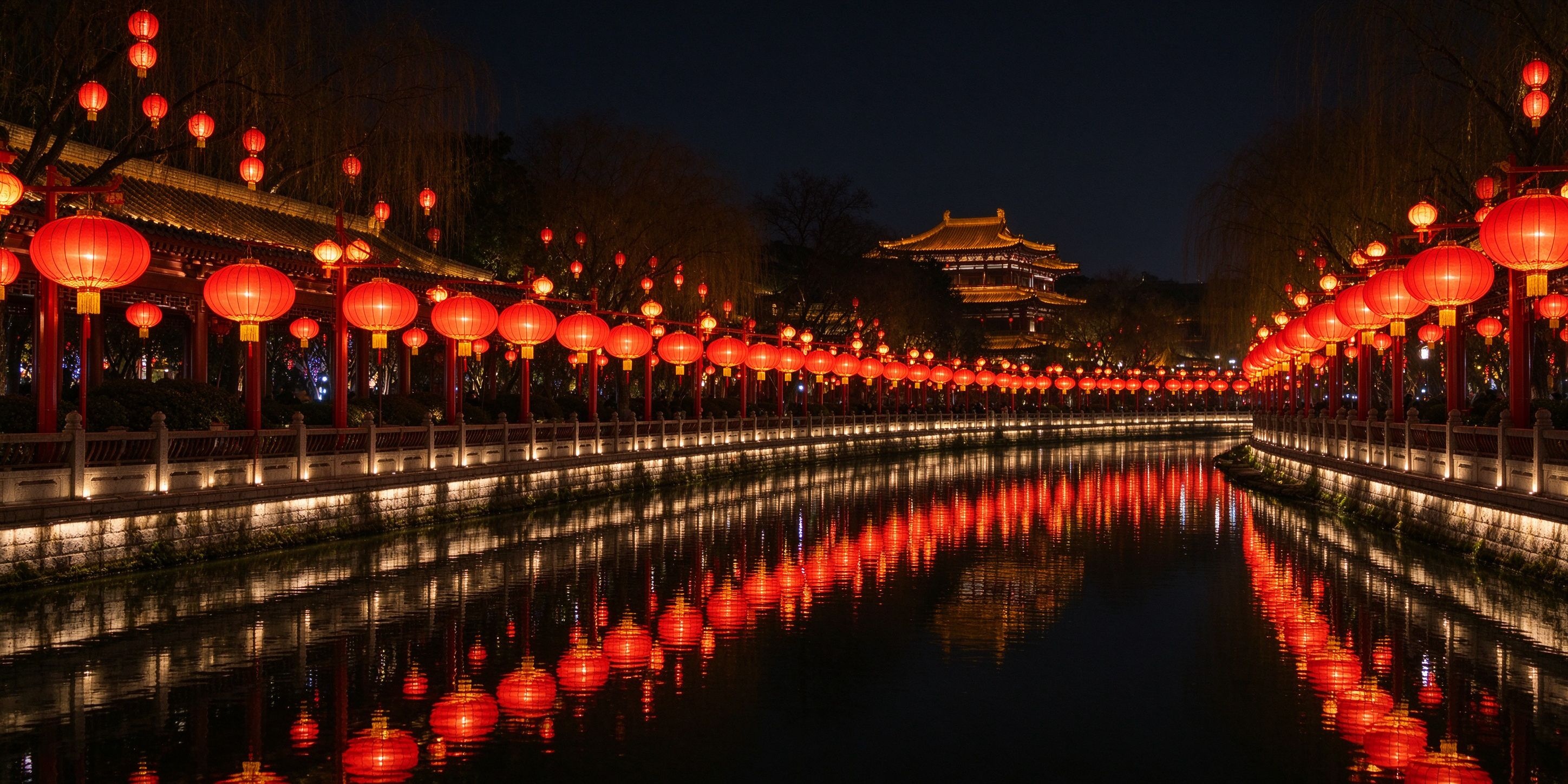
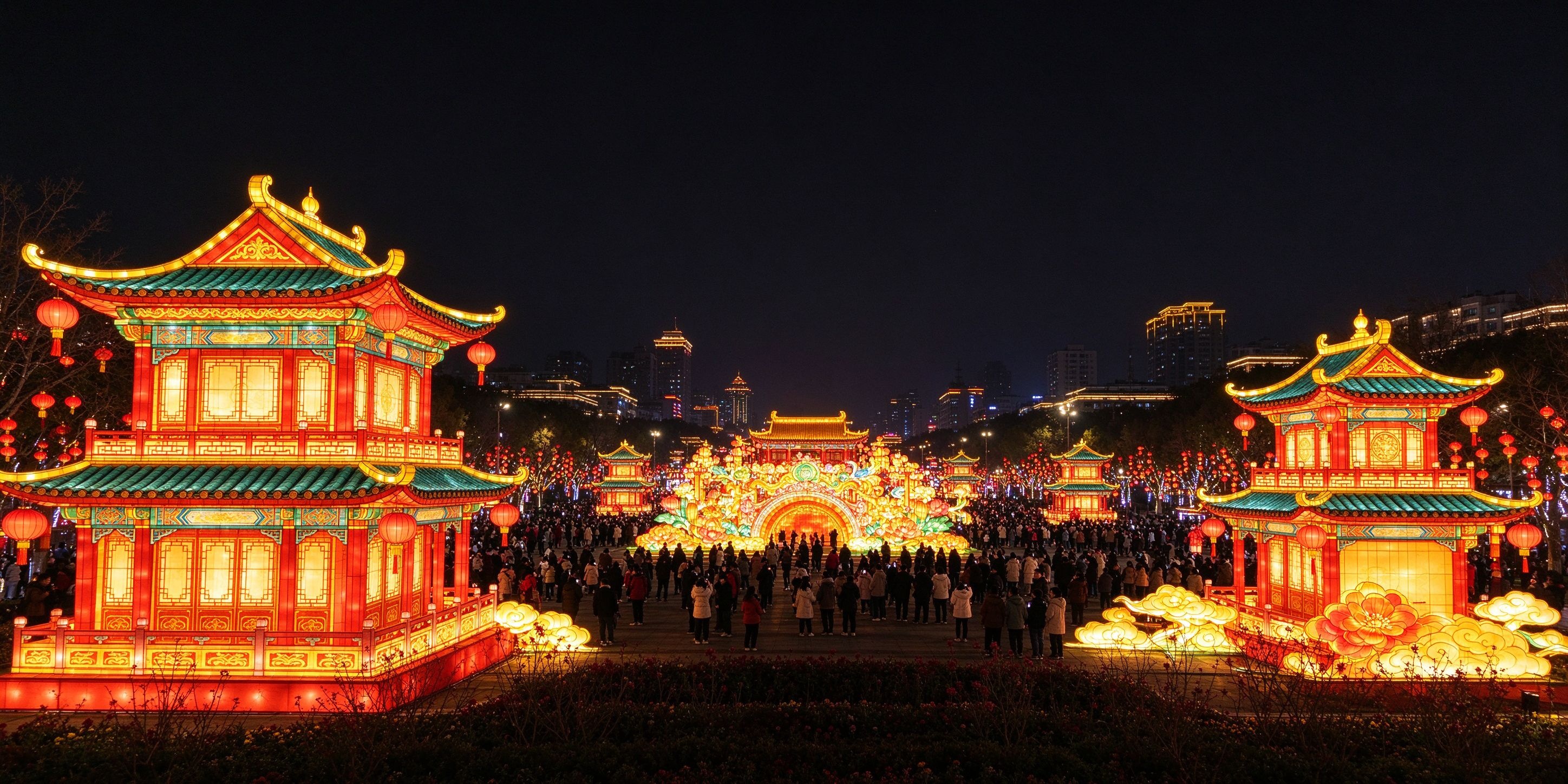
The most successful garden events build on a theme that gives the year an identity: a spring lantern festival in early spring, a mid-autumn lantern celebration in fall, a winter wonderland in December. Theming matters commercially because it gives marketing a hook, gives repeat visitors a reason to return, and gives sponsors a narrative. A seasonal rotation also lets the garden refresh zones each year without replacing everything — the permanent infrastructure (paths, power, portals) stays, while hero pieces rotate.
Interactive elements earn their keep in gardens. Families remember the moment a child triggers a color change or walks through a light tunnel that responds to movement. Our bubble light forest — a grove of gently pulsing spheres that shift color as visitors pass — is consistently among the most re-photographed installations in garden events, because it merges the garden's "forest" identity with participatory play. Keep interactivity at child height, robust enough for hundreds of touches a night, and placed where queues cannot form.
Operations: Ticketing, Capacity and the Guest Journey
Night events are capacity-constrained in a way daytime visits are not. Gardens must control entry rates to avoid path congestion in the dark, so timed-entry ticketing is standard — typically 30-minute arrival windows. Design capacity should be set by path width and pinch points, not total area; a garden that absorbs 5,000 day visitors may cap a night event at 1,200. Build the operational plan around this: one-way flow where paths are narrow, marshals at junctions, and lighting levels that allow safe walking without destroying the magic — subtle path-edge lighting, step lights and low bollards.
Food and retail are the hidden profit center of garden light events. A mulled-drink kiosk at the midpoint and a gift shop exit through retail lifts per-capita spend substantially, and the event's closing zone should deliberately route guests past them. Sustainability messaging also pays: gardens that advertise their low-wattage LED footprint and dark-sky practices attract both eco-conscious visitors and green-minded sponsors, reinforcing the institution's mission rather than contradicting it.
Conclusion
A botanical garden lights event succeeds when it treats the garden as the star. Protect the collection with horticulturally safe engineering, design the night as a path-based journey of contrasts, theme the experience so it earns a place on the annual calendar, and operate it with timed capacity and smart retail flow. Done well, the event does not merely fund the garden — it deepens the public's relationship with it, turning daytime visitors into evening devotees and occasional donors into annual members. For gardens ready to shine, the night is the best investment they can make.
Design Your Garden's Night Event
Share your site plan and collection priorities. Our team will propose a horticulturally safe, immersive light trail concept with a free quotation within 48 hours.
Get a Free Quote☎ +86 13990006666 | ✉ 1712646264@qq.com