Diwali Light Display: Tapping Into the Global Market of Festival Lights
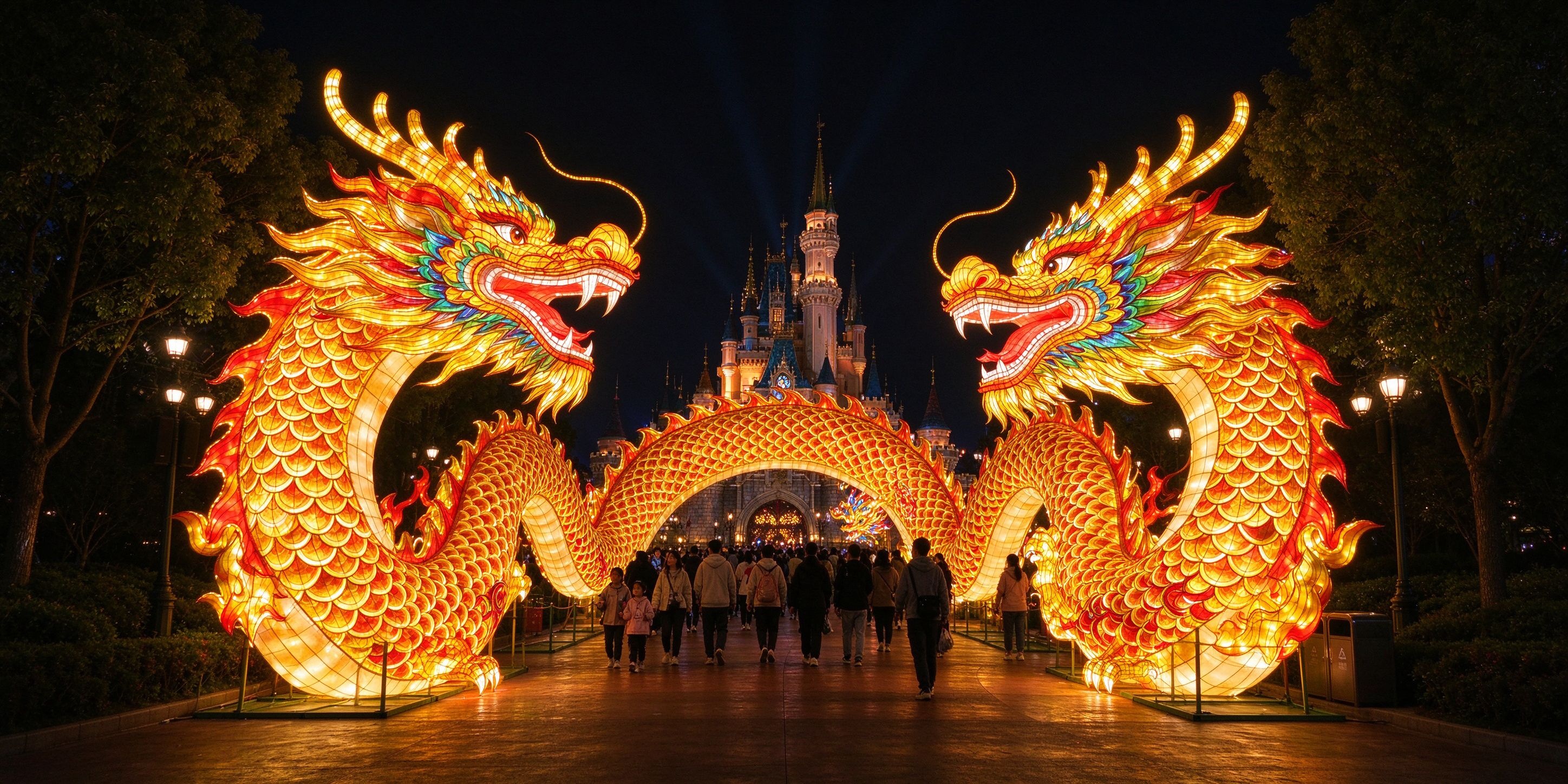
Diwali — the festival of lights — is the largest festival of light on earth, celebrated by more than a billion people across India and by diaspora communities in nearly every country in the world. Yet in the global event industry, Diwali remains dramatically underserved compared with Christmas and Chinese New Year. For event professionals, venue operators and city marketers, that gap is an opportunity: a diwali light display is culturally authentic, commercially compelling and almost entirely uncontested in most Western markets. This guide maps the global market and explains how to enter it with installations that honor the festival and sell tickets.
The Market: Where Diwali Shines
Diwali is a five-day festival that falls between mid-October and mid-November, determined by the Hindu lunar calendar. It marks the victory of light over darkness and good over evil, and its defining practice is the lighting of diyas — small oil lamps placed in rows across homes, courtyards and temples. The commercial scale is enormous: Diwali is India's biggest shopping and gifting season, often compared to Christmas in the West, with festival-related consumer spending running into tens of billions of dollars. For venues outside India, the relevant audience is the diaspora: the United States, United Kingdom, Canada, Australia, Singapore, Malaysia, the Gulf states and much of Southeast Asia all have large, affluent South Asian communities that celebrate Diwali publicly and privately — and increasingly expect their cities, malls and cultural institutions to acknowledge the festival.
Three facts make the commercial case. First, the timing: Diwali arrives in the fall, creating a festival-of-lights season between Halloween and Christmas that venues can program profitably. Second, the audience: diaspora communities are concentrated in major metro areas, exactly where large venues and malls need traffic. Third, the cultural tailwind: cities and brands are actively seeking authentic multicultural programming, and a credible Diwali celebration is a powerful diversity statement backed by real attendance.
The Design Vocabulary: Light, Pattern and Meaning
A successful diwali light display speaks the festival's visual language. The core elements are distinctive and translate beautifully into illuminated lantern form:
- The diya. The oil lamp is the festival's signature symbol — a flame in a small clay bowl. Oversized illuminated diya lanterns, often arranged in rows or floating on water, are the most instantly recognizable Diwali installation.
- The rangoli. The intricate floor patterns of colored powder and flower petals that decorate entrances become spectacular ground-level light displays — geometric mandalas, lotus blooms and peacock motifs rendered in LED. A Diwali rangoli lantern as a glowing floor or wall panel is a natural hero piece.
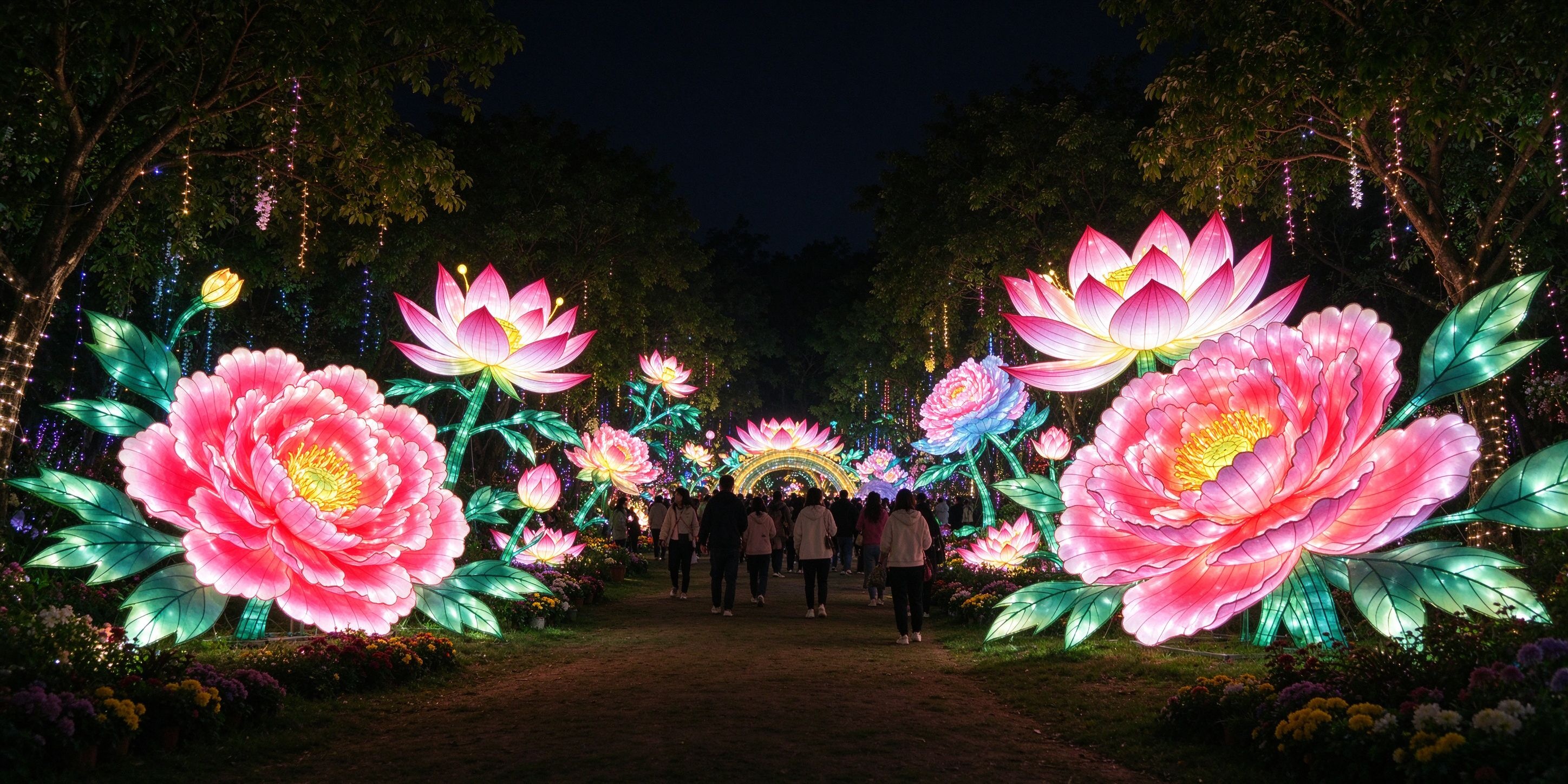
- The lotus. The lotus flower carries deep symbolic weight across Indian culture — purity, beauty, spiritual awakening — and a pond or court of illuminated lotus flower lanterns instantly reads as Diwali to the audience that matters.
- The mandala and the sphere. Sacred geometry — mandalas, stars, concentric circles — mirrors the rangoli tradition. A geometric sphere light sculpture or a large mandala medallion suspended or laid flat anchors the spiritual center of a display.
Color discipline matters as much as iconography. Diwali palettes are warm and celebratory: gold, saffron, deep orange, crimson, emerald and royal blue, against the warm amber of oil lamps. The mood is joyful and auspicious, so the lighting should feel festive and rich rather than cool and minimal — a deliberate contrast to the blue-white palettes of winter holiday displays.
Commercial Formats: Where the Displays Go
The formats that work for Diwali mirror the formats that work for other cultural light festivals, with a few specifics:
- Mall and retail. Shopping centers in cities with South Asian populations program Diwali atrium displays, diya-lighting ceremonies and family workshops. The retail angle is strong because Diwali is a gifting festival — jewelry, fashion, electronics and food all surge — and a mall that visibly celebrates the festival captures that spending.
- City and community events. Municipalities increasingly fund public Diwali celebrations: a central square transformed with a large diwali light display, a lantern trail, a stage for music and dance, and a food street. These events draw tens of thousands and generate exactly the kind of inclusive-city coverage governments want.
- Cultural institutions and temples. Museums, galleries and temples host Diwali nights — often the most authentic formats, with community collaboration, traditional music and educational programming around a central illuminated installation.
- Corporate and hospitality. Companies with large South Asian workforces or client bases commission lobby displays and Diwali dinners; hotels in Asia and the Gulf program poolside and lobby installations for the season.
The hexagonal pavilion lantern, with its jewel-box structure and warm glow, is a favorite for Diwali settings — it echoes the mandala tradition and works indoors or outdoors, which makes it flexible for venues testing the market for the first time.
Authenticity: The Commercial Non-Negotiable
Diwali is a sacred festival, and inauthentic or careless depictions are not only offensive — they are commercially risky, because diaspora communities are sophisticated and well-connected, and a misstep becomes visible instantly. Authenticity has three practical components. First, collaborate: involve local Indian cultural associations in the programming — they lend credibility, volunteers and audiences, and they will tell you what the design gets wrong before it is built. Second, respect the traditions: the diya, the rangoli, the lotus and the mandala have specific meanings, and a display should use them correctly rather than as vague "exotic" decoration. Third, get the details right: the festival's dates, names and stories should be accurate in all signage and marketing. Venues that collaborate authentically report something valuable: the diaspora community becomes a co-marketer, bringing family and friends and defending the event against criticism.
Practical Procurement for Diwali Season
Diwali falls in October–November, which creates a tight logistics window for imported custom installations. Buyers should start procurement early — typically six to eight months ahead for custom pieces — and confirm sea-freight schedules, because the pre-Diwali shipping surge is real. Many venues begin with a smaller, high-impact package (a rangoli medallion, a lotus pond, a diya row) and expand in year two, which also lets them measure attendance response before committing capital. And because Diwali lighting is warm, festive and pattern-driven, pieces procured for the festival can often be re-themed or relocated for other seasons — a diya row becomes a warm accent at a winter event, a lotus pond serves a summer garden show — which improves the investment case further.
Conclusion
Diwali is the world's biggest festival of lights, and the global market for diwali light display installations is wide open. The audience is large, affluent and underserved; the timing slots perfectly into the fall season; and the design vocabulary — diyas, rangoli, lotus, mandala — is rich, distinctive and photogenic. The path to entry is the same as for any cultural festival: collaborate authentically with the community, respect the traditions, and build the display to the professional standards of any light event. Venues that do this are not just adding a display — they are adding an audience, a season and a reputation for genuine cultural welcome.
Plan Your Diwali Light Display
Tell us your venue, target dates and community partners. Our team will prepare a culturally authentic concept and quotation within 48 hours — with lead times planned for the Diwali season.
Get a Free Quote☎ +86 13990006666 | ✉ 1712646264@qq.com