
Festival Lantern Maintenance Guide: Extending the Lifespan of Your Investment
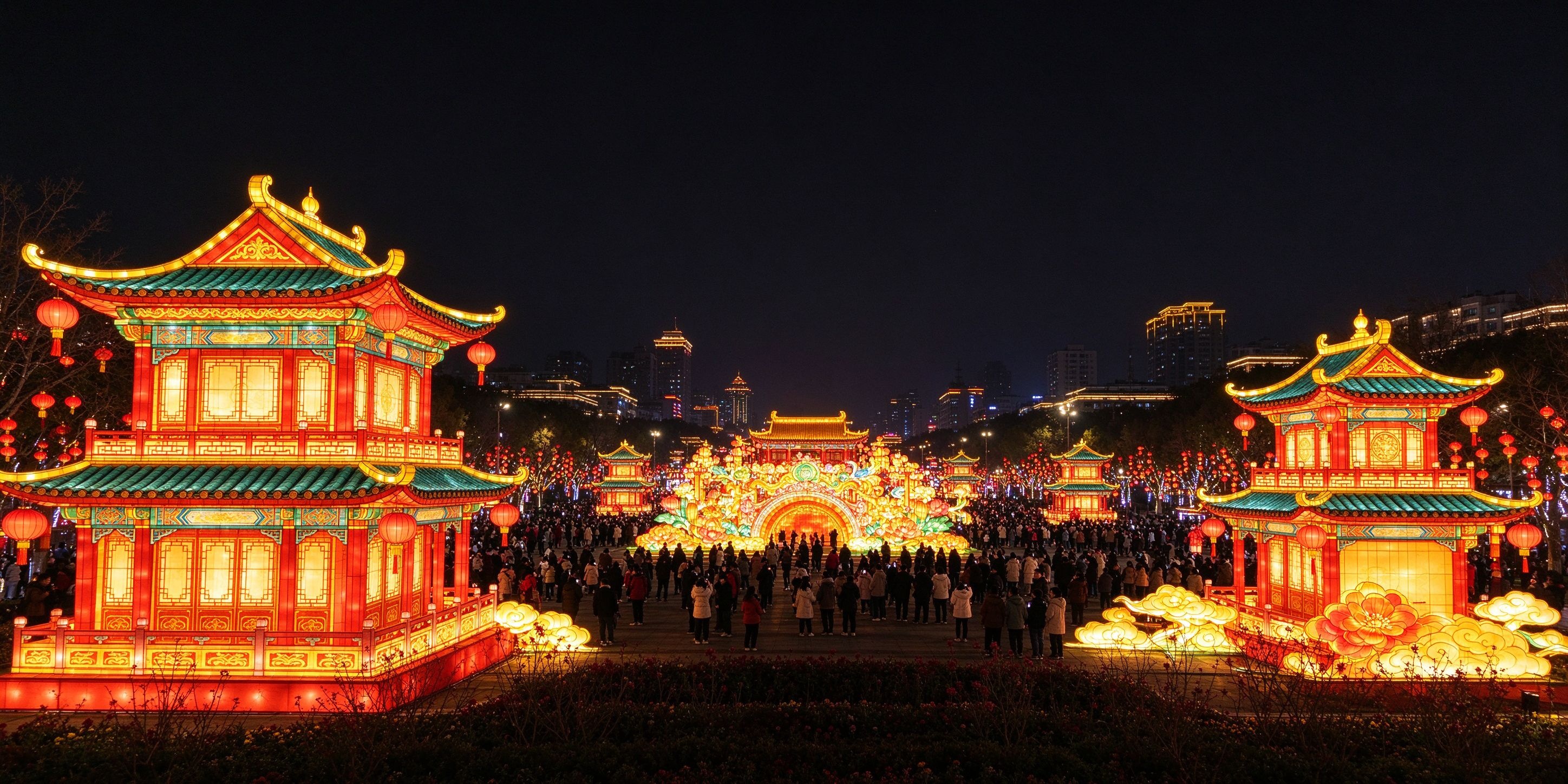
A quality festival lantern is built to last a decade, but almost none of them do — because maintenance is where most light display investments quietly die. The pattern is familiar: the first season runs beautifully, the second season shows a few dead sections, and by the third season the display is a patchwork of dark spots and sagging fabric, and the venue is shopping for a replacement. None of that decline is inevitable. With a disciplined maintenance program, a lantern festival display can deliver ten or more seasons of near-original performance, and the cost of that program is a small fraction of the replacement cost it prevents. This guide lays out the complete maintenance calendar, from daily inspections to off-season storage.
The Economics of Maintenance
Think of a festival lantern as a machine with three subsystems — the steel frame, the fabric skin and the LED lighting/control system — and maintain each accordingly. The financial logic is simple: a typical large display represents a six-figure investment, and a structured maintenance program costs roughly 3–8% of the display value per year. That spend buys two things: a longer lifespan (LED systems are rated at 50,000+ hours, which is many seasons if the electronics are kept clean and dry) and a lower annual failure rate, which means fewer mid-season emergencies, fewer disappointed visitors and fewer reputation hits. Venues that skip maintenance are not saving money; they are borrowing it from the replacement budget at a terrible interest rate.
The Daily Check: Ten Minutes That Prevent Disasters
During an operating season, a daily inspection before opening catches the failures that would otherwise become guest-facing. The checklist is short but non-negotiable:
- Visual sweep. Walk the display at dusk as it powers up. Note any section that fails to light, flickers or shows the wrong color — these are early signs of failing drivers or loose connectors.
- Anchoring check. Confirm ballast blocks and anchor bolts are undisturbed. A shifted ballast after a windy night is a safety issue, not a cosmetic one.
- Fabric inspection. Look for new rips, sagging panels or water pooling. A small tear fixed today costs minutes; a tear left for a week becomes a structural failure in a storm.
- Control cabinet. Check that the cabinet door is sealed, the ventilation is clear and the error log (if the system logs faults) shows nothing new.
The daily check should be logged — a simple sign-off sheet per zone. The log is what lets a venue spot degradation trends (the same section failing weekly is a pattern, not bad luck) and it is powerful evidence when claiming warranty support.
The Weekly Deep Check: Power, Structure and Electronics
Once a week, go deeper. Measure the load balance on the distribution board and record it — a creeping imbalance signals a failing driver. Check torque on critical anchor and section bolts, especially after high winds. Test the emergency shutdown and the wind-protocol function. Clean the IP-rated vents on control cabinets (dust is the leading cause of overheating in sealed enclosures). And run the full show sequence in daylight, watching for timing drift — animated chases and synchronized sequences should not drift from the show clock, and if they do, the sync issue is easiest to fix midweek than on a Saturday night.
Fabric and LED Care: The Two Repair Frontiers
Most field repairs fall into two categories. Fabric: small tears are repaired with heat-bonded patches or stitching and a touch of matching paint — a skill any trained venue technician can learn, but the repair must use compatible, flame-retardant materials. Large panels or badly faded skins should be replaced rather than patched, because a display that looks shabby is a display that stops being photographed, and photographs are the marketing engine. LED: the industry standard is modular LED strings and pixel modules, so a dead section is normally fixed by swapping a module, not rewiring. The critical maintenance discipline is keeping spares — a recommended spares kit should cover the most failure-prone components (drivers, connectors, modules) at roughly 2–5% of each type's installed count. A venue with spares and a trained technician fixes a fault in an hour; a venue without them waits for shipping while the section stays dark.
For the hero pieces, the maintenance standard is higher because the audience impact is higher. A golden Chinese dragon lantern and a giant panda lantern deserve their own weekly care slot: articulation joints get lubricated, animated servos get their movement range tested, and the skin gets a closer look for wear where panels flex.
Season-End Decommissioning: The Half That Decides Lifespan
How a display is taken down and stored determines most of its multi-year fate. The rules are unforgiving:
- Clean before storage. Dust, pollen and bird residue are acidic and abrasive; a display stored dirty degrades twice as fast. Wash fabric skins with the manufacturer's recommended cleaner, dry them fully — mold in storage is the most common cause of fabric death — and vacuum electronics with dry compressed air.
- Dry everything. Store nothing wet. Moisture trapped in connectors and control cabinets corrodes over the off-season, and the corrosion shows up on opening night.
- Disassemble to planned sections. The numbered section system that made installation fast also makes storage safe. Stack frames on pallets, never on bare ground; store fabric rolled or hung, never folded with creases that crack the coating.
- Climate-controlled storage. Electronics prefer dry, moderate temperatures. If the venue cannot provide climate control, at least keep everything off the floor, wrapped and ventilated, with desiccant in control cabinets.
Winterization follows the same logic in reverse for displays that stay up through winter: drain any water features, seal cable glands, apply UV-protectant to skins, and schedule snow-clearance procedures before the first storm. A LED light tunnel left in service through a northern winter needs its anchors re-torqued at season start and its snow-load rating re-verified — the structure that was safe in autumn may not be safe under two feet of snow.
Documentation and Training: The Human Infrastructure
Maintenance only happens if the people responsible have the knowledge and the records. Insist on a complete handover package from the manufacturer: as-built drawings, zone maps, an operation manual, a maintenance calendar and a recommended spares list. Train at least two venue staff members in daily and weekly procedures — single-point knowledge is a risk. And keep a maintenance logbook that travels with the display, so season three's team knows exactly what season two fixed. Many manufacturers, including our factory, offer remote support and training calls as part of the handover, and venues that take them up on it consistently report the longest display lifespans.
Conclusion
A festival lantern display is a long-term asset that behaves exactly as well as it is maintained. Daily sweeps catch small problems, weekly deep checks catch trends, disciplined repair with the right spares keeps the show photo-ready, and careful decommissioning and storage protect the investment through the off-season. Add documentation and trained staff, and the math is decisive: a maintenance program costing a few percent of the display value per year routinely doubles or triples the number of seasons a display serves. The glow you see opening night is the visible part; the lifespan is decided in the quiet routines around it.
Get a Maintenance Plan for Your Display
Ask about our maintenance documentation, spares kits and remote training support. We will prepare a care plan tailored to your installation within 48 hours.
Get a Free Quote☎ +86 13990006666 | ✉ 1712646264@qq.com